How to Ship Products from India to USA: Cost-Effective Options
Published: Jan 28, 2026 • Global eCommerce
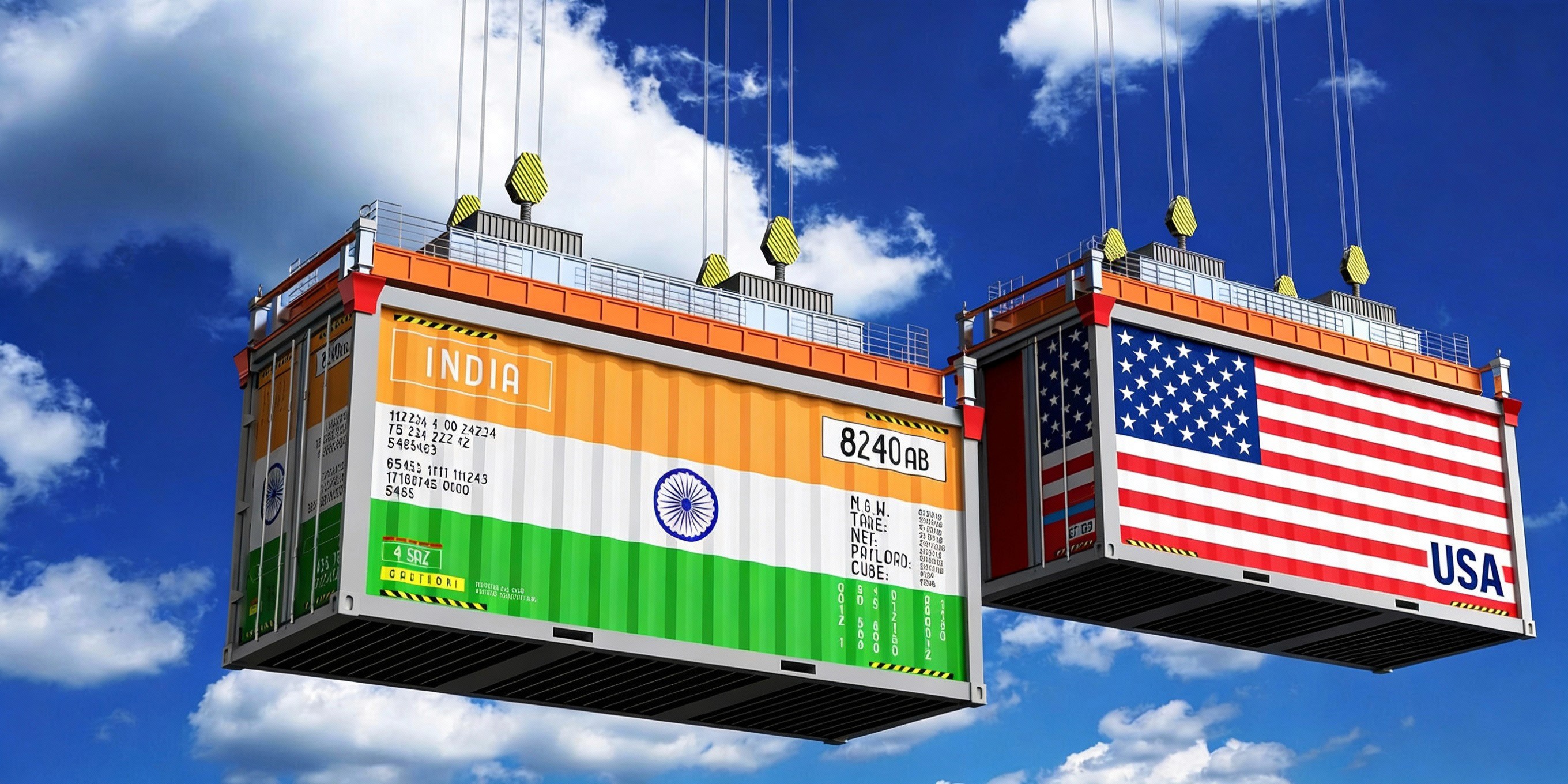
Shipping from India to the USA often feels like steering a vessel across an vast ocean with a blindfold on. You know your craftsmanship is world-class, and you know the buyer in New York or San Francisco is waiting. But between the shifting winds of 2026 trade policies, surging costs, and a labyrinth of compliance, one wrong turn can capsize a profitable order into a painful lesson.
As of January 2026, the trade route has changed. The "Golden Age of Duty-Free" has met a storm: the U.S. has suspended the $800 de minimis exemption, and most Indian goods now face a baseline tariff of 50%.
This is your 2026 navigation chart, built for Indian exporters and D2C brands who want to cross the Atlantic cost-effectively, legally, and at scale.
1. Choosing Your Vessel: The Three Great Paths
There is no "best" way to ship, only the best way for your cargo. In 2026, the choice between a "taxi," a "train," and a "cargo ship" is dictated by your margins and the new tariff reality.
Shipping Mode | The Analogy | 2026 Reality & Cost | Best For |
Express Courier | The Taxi | $8–$12 per kg. Fast (3-5 days). | Small, high-value parcels (Jewelry, Electronics). |
Air Freight | The Train | $5–$8 per kg. Balanced (5-10 days). | Mid-volume, urgent stock (Apparel, Pharma). |
Sea Freight | The Cargo Ship | $3,500–$6,000 per container. Slow (25-40 days). | Bulk loads, raw materials, furniture. |
2. The New 2026 Trade Winds: Tariffs & De Minimis
The map you used in 2024 is now obsolete. The U.S. trade landscape underwent a seismic shift in late 2025:
The End of "Duty-Free": The $800 de minimis rule (Section 321) is largely a thing of the past. Almost all low-value shipments now require formal entry and payment of duties.
The 50% Milestone: Most Indian products, including Textiles, Leather, and Machinery, now face a total tariff of 50%.
The Exception: Pharmaceuticals and Electronics currently maintain a 0% tariff, making them the "High-Speed Lanes" of 2026 exports.
Reciprocal Pricing: If you sell for $100, your buyer may now see a landed cost of $150. Smart exporters are adjusting their MSRP (Manufacturer's Suggested Retail Price) to absorb part of this "Tariff Tax" to stay competitive.
3. The Black Box: Documentation & HS Codes
Shipping doesn’t end at pickup, it ends at the US Customs "Inspection Gate." In 2026, the scrutiny is at an all-time high.
HS/HTS Codes (The DNA of your Product): The U.S. now requires the 10-digit HTSUS code for every item. One wrong digit doesn't just mean a delay; it means a potential 50% penalty for misclassification.
The "Black Box" Checklist:
Commercial Invoice: Must be hyper-detailed. "Shirt" is no longer enough; it must be "100% Men's Cotton Knit Shirt, Origin: India."
Packing List: Exactly what is in each box.
IEC (Import Export Code): Your Indian passport for trade.
e-FIRA: Proof for your Indian bank that the payment is legitimate.
4. Marketplace Navigation: Amazon, Etsy, & Shopify
Each "Port of Entry" has its own rules in the 2026 climate:
Amazon USA (FBA): They require "Appointment-based" deliveries. With the new tariffs, Amazon's Global Selling program is helping sellers navigate the formal entry process, but you must factor in the 50% duty into your FBA fees.
Etsy UK/USA: Individual shipments now require more transparent duty communication. Buyers hate "Surprise Taxes" at the door. Use DDP (Delivered Duty Paid) shipping so you pay the 50% upfront and the customer gets a smooth experience.
Shopify D2C: Gives you the most flexibility to manage currency swings, but you are 100% responsible for the logistics relay.
Why Go Global Now Fits In
Shipping is no longer just "moving a box"; it's a financial and compliance relay. At Go Global Now, we bridge the gap:
Payment-to-Parcel Linking: We ensure your shipping bills and payments "handshake" automatically, so your GST refunds aren't stuck for months.
Tariff Transparency: Our platform helps you calculate the Landed Cost (Shipping + 50% Duty + Insurance) so you never undersell your product.
FIRA Automation: We generate the documentation required by FEMA so your export realization is always "Green-Lit" by the RBI.
Let's Start Your Global Journey
Planning to go global? We’ll help you scale internationally—smoothly and compliantly.