EU–India FTA: What It Means for Indian Exporters in the Next Phase of Global Trade
Published: Feb 2, 2026 • Global eCommerce
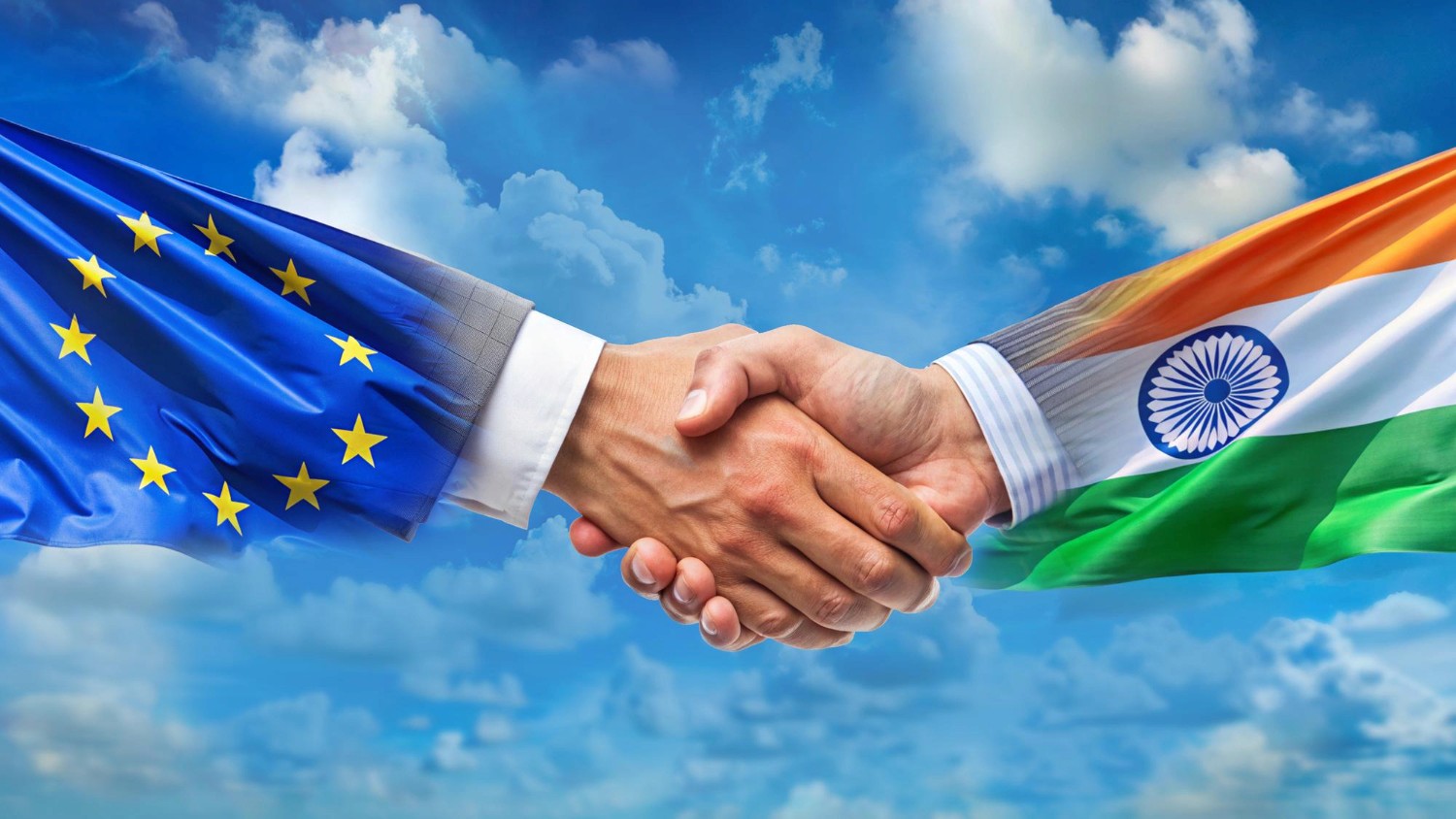
Indian D2C brands selling physical goods like apparel, leather accessories, or home decor can now eye the vast EU market with real optimism. The landmark EU-India Free Trade Agreement (FTA), concluded in late January 2026, slashes tariffs and opens doors to a 450-million-consumer bloc, but success demands smart preparation amid compliance hurdles.
The FTA Breakthrough: A Game-Changer After Years of Talks
After nearly two decades of negotiations, India and the EU sealed this comprehensive deal in January 2026, with leaders announcing it around India's Republic Day. Bilateral trade hit $136 billion in 2024-25, and experts project it could surge by $75 billion in Indian exports alone once fully implemented. Ratification by the European Parliament and Indian processes will take about a year, paving the way for tariff cuts to kick in around early 2027.
This agreement covers goods, services, investments, and sustainability, eliminating or reducing tariffs on over 96% of lines—nearly all Indian exports to the EU get zero-duty access immediately on 90%, rising to 93% over seven years. For cost-sensitive MSMEs, this levels the playing field against rivals like Bangladesh or Vietnam, who already enjoy preferences in Europe's $263 billion textile import market.
Massive Wins for Physical Goods Exporters
Labour-intensive sectors shine brightest under the FTA. Textiles and apparel, facing 9-12% duties today, gain zero-duty entry across all lines, boosting competitiveness for D2C cotton kurtas or embroidered blouses. Leather and footwear drop from 17% tariffs to zero, helping brands like those crafting handbags in Agra reclaim share from Southeast Asia.
Marine products shed up to 26% duties, while gems, jewelry, engineering goods, and chemicals see cuts from 10-13%. D2C brands in fashion, home decor, or electronics accessories stand to price 10-17% lower, preserving margins while attracting EU buyers on platforms like Etsy or Amazon Europe. Take a Mumbai-based ethnic wear startup: previously undercut by 12% duties, it could now double EU sales volumes within two years.
Why EU Matters for Your D2C Growth
The EU imports $2.5 trillion in goods yearly, with high demand for unique Indian crafts—think sustainable jute bags or spice-infused skincare. Unlike saturated US markets, Europe values quality and storytelling, aligning with aspirational D2C narratives. Post-FTA, projections show Indian physical exports doubling by 2032, offsetting US tariff hikes and diversifying from China dependencies.
For risk-averse MSMEs, this means stable, high-income buyers less prone to economic swings. Yet, execution complexity looms: without proper setup, gains evaporate in customs delays or rejections.
Actionable Insights to Seize the Opportunity
Audit your product list now. Identify tariff lines via DGFT tools—focus on zero-duty winners like apparel (HS chapters 61-62) or leather (41-43). Many MSMEs overlook this, missing 20-30% potential uplift.
Map competitors' edges. Bangladesh textiles entered duty-free; use the FTA to undercut them by 10% on price while highlighting Indian craftsmanship.
Budget for compliance early. EU rules demand CE marking, REACH for chemicals, and precise labeling—non-compliance causes 40% of shipment holds for Indian goods.
Test small volumes first. Ship samples via ecommerce to Germany or France, tracking customs clearance times before scaling.
Partner for scale. Leverage platforms like Shopify EU or Etsy, but integrate local fulfillment to cut shipping risks.
Navigating Rules of Origin and Documentation Pitfalls
To claim zero duties, your goods must meet Rules of Origin (ROO)—proving substantial transformation in India, like 50-60% value addition for textiles. The FTA introduces MSME-friendly self-certification via Statements of Origin, skipping costly certificates, but customs can verify anytime. Common pitfall: mixed-origin inputs; always track supply chains in Google Sheets.
FEMA and RBI rules stay intact—use purpose code 304 for exports. IEC and AD code remain mandatory, with GST refunds accelerating via faster IGST processing. Pitfall: incomplete shipping bills lead to 15-20% claim rejections; double-check BRCs and invoices.
Compliance Hurdles: EU Standards That Trip Up MSMEs
EU borders enforce strict non-tariff barriers. Labeling needs origin, fiber content (for textiles), and multilingual safety info—mismatches delay 30% of agri-food/spice shipments. REACH restricts chemicals in leather dyes; GPSR mandates traceability docs.
Appoint an EU Authorised Representative for regulated goods—they hold files for authorities. Sustainability bites too: no CBAM exemption for steel/chemicals, so report embedded emissions or pay default fees (up to 20% extra cost). MSMEs often underestimate testing (Rs 50k-2 lakh per product), causing cash crunches.
Relatable example: A Jaipur jewelry D2C brand lost a €10k order to lead-content flags; pre-testing via NABL labs avoided repeats.
The Ecommerce Angle for D2C Brands
Digital trade chapters ease cross-border data and cybersecurity, benefiting Shopify or Etsy sellers. Faster customs for low-value parcels cut logistics from 15-20 days. D2C fashion or decor brands gain pricing edge, but platforms demand EU-compliant listings—wrong specs mean delistings.
Pitfall: EPR for packaging waste; non-recyclable boxes trigger fines. Start with Amazon EU's FBA for compliance buffers.
Risks and Realities: Don't Jump Blindly
Increased EU machinery imports could pressure domestic costs, while complex ROO lowers utilization to 50-60% historically. Geopolitical shifts, like US protectionism, amplify urgency but heighten scrutiny. MSMEs face scale gaps—big players snap quotas first.
Highlight: Execution risks like documentation errors or CBAM non-reporting can erase tariff savings overnight.
Your Next Steps: From Awareness to Action
Week 1: Get IEC/AD code if missing; audit products against EU HS tariffs on DGFT site.
Month 1: Conduct compliance gap analysis—test samples for REACH/CE via labs.
Month 2-3: Register on Etsy/Amazon EU; secure EU rep and prepare ROO statements.
Ongoing: Monitor DGFT notifications for implementation timelines; join FIEO webinars.
Ready to scale? GoGlobalNow provides end-to-end export compliance and documentation support, ensuring your shipments clear EU customs seamlessly without the headaches.
Scale Smart with GoGlobalNow's Expertise
GoGlobalNow helps Indian D2C exporters register, manage, and advertise on global platforms like Amazon EU and Etsy, handling listings, ads, and fulfillment. For deeper plays, we support UAE subsidiaries as EU gateways, plus full regulatory navigation from IEC to ROO certification. Let's turn FTA potential into your profits—book a free consult today.
Let's Start Your Global Journey
Planning to go global? We’ll help you scale internationally—smoothly and compliantly.